Dalit Ethnic Upliftment Center (DEUC)
Empowering Communities, Advancing Inclusion, Building Resilience.
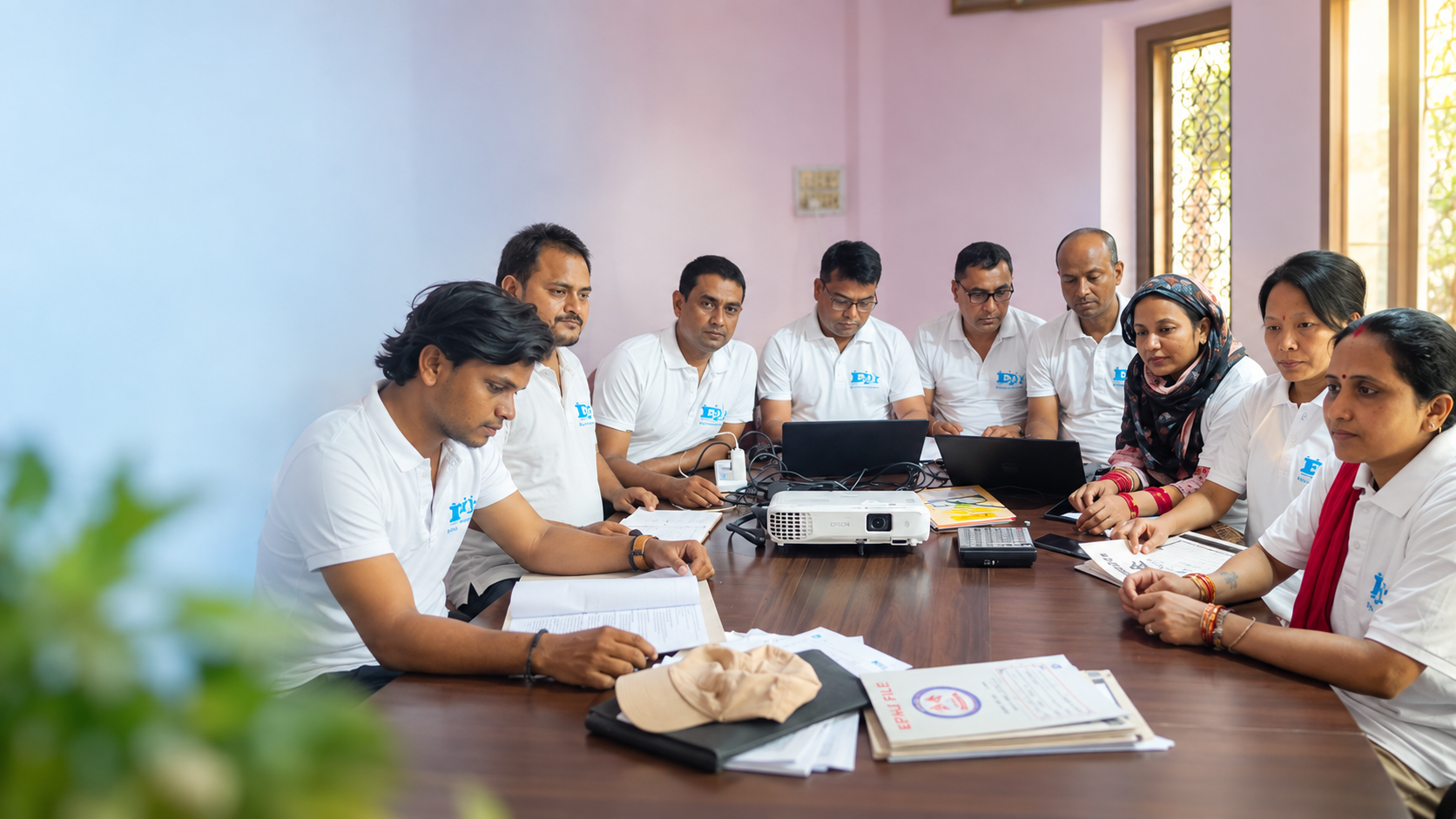
Dalit Ethnic Upliftment Center (DEUC), Bara is a non-profit, community-focused organization committed to promoting social justice, equality, dignity, inclusion and sustainable development for marginalized and vulnerable communities. For more than two decades, DEUC has worked alongside communities to strengthen livelihoods, expand access to quality education, improve health, nutrition and WASH, promote gender equality and social inclusion, strengthen local governance, and build resilience to climate and disaster risks.
500k People
Joined with us
+24 Years
IN SOCIAL SERVICE
Working Thematic Areas
Quality & Inclusive Education
Sustainable Livelihoods & Climate-Adaptive Agriculture

Gender Equality, Disability, Social Inclusion & Human Rights
Nutrition & Food Security

Water, Sanitation & Hygiene (WASH)

Disaster Risk Reduction & Climate Resilience

Governance, Justice & Social Accountability
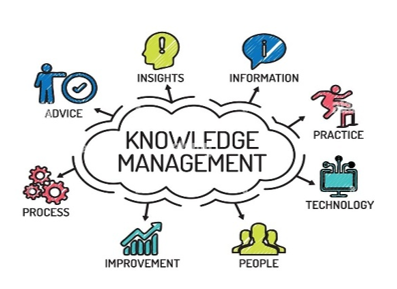
Knowledge Management & Capacity Development
We collaborate with Government, Multi Development Partners, Donors and Private sectors



Social justice, Equality, Dignity, Inclusion and Sustainable Development.
Dalit janjati Utthan Kendra (DEUC), Bara is a non-profit, women leaded, service-oriented and community-focused organization working to promote social justice, equality, dignity, inclusion and sustainable development. Established in 2059 B.S. (2002 A.D.), DEUC has been working alongside marginalized and vulnerable communities for more than two decades.
Our Expertise
✅Sustainable Livelihoods, Agriculture & Entrepreneurship
✅ Quality & Inclusive Education and Child Rights
✅ Gender Equality, Disability, Social Inclusion (GEDSI) & Human Rights
✅ WASH, Nutrition & Food Security
✅ Social Justice and Governance
Financial Tranjections
Recent Project Budget
Enhancing Economic Opportunity for Marginalized Communities in Baragadhi RM Project
€ 58,292.38
Jun 2025 to December 2026
✅ Total Staff 6 members
✅ 100 farmers and 25 enterprenurs
✅ 25 Adolescent Girls
✅ 65 out of school children
Nutritional Food Support Program for Kalaiya Sub Metropolitan city
NPR 6,382,860
April – June 2026
✅ Total Staff 7 members
✅ Total coverage 1600 HHs
✅ Total ward 16/27 wards
✅ Poor, dalit and Muslim HHs targeted
Tentative Budget for Fiscal Year 2026/2027
NPR 48,873,800
Estimated Projects
✅ Girls’ Empowerment
✅ Entrepreneurship and Financial Literacy
✅ Agriculture Support and Demonstration
✅ Advancing Civic Engagement
Our Commitment:
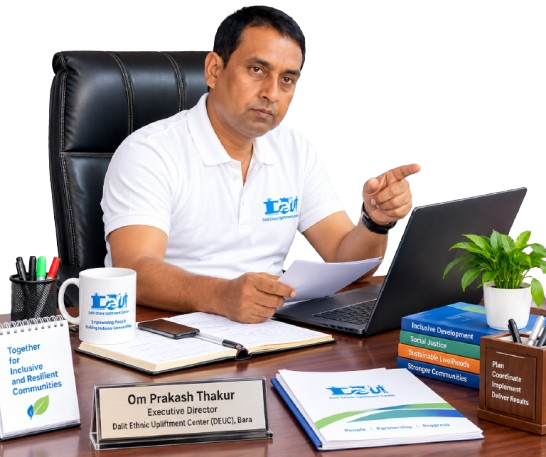
DEUC believes that development becomes sustainable when communities are not simply beneficiaries, but active partners and leaders of change. We therefore work to strengthen local capacities, connect communities with opportunities and services, and promote inclusive systems that enable people to build secure and dignified futures.
Together, we can build more inclusive, resilient and empowered communities.